Source
New device procurement
Phones, tablets, rugged handhelds, scanners, accessories, and SIM paths are matched to rollout timing, carrier fit, and user profile.
- OEM and carrier paths
- Accessory standards
- Launch timing
ConneXions turns carrier strategy, new and certified pre-owned procurement, device staging, quality grading, kitting, activation, and lifecycle support into one clean operating system for the people running the wireless line item.
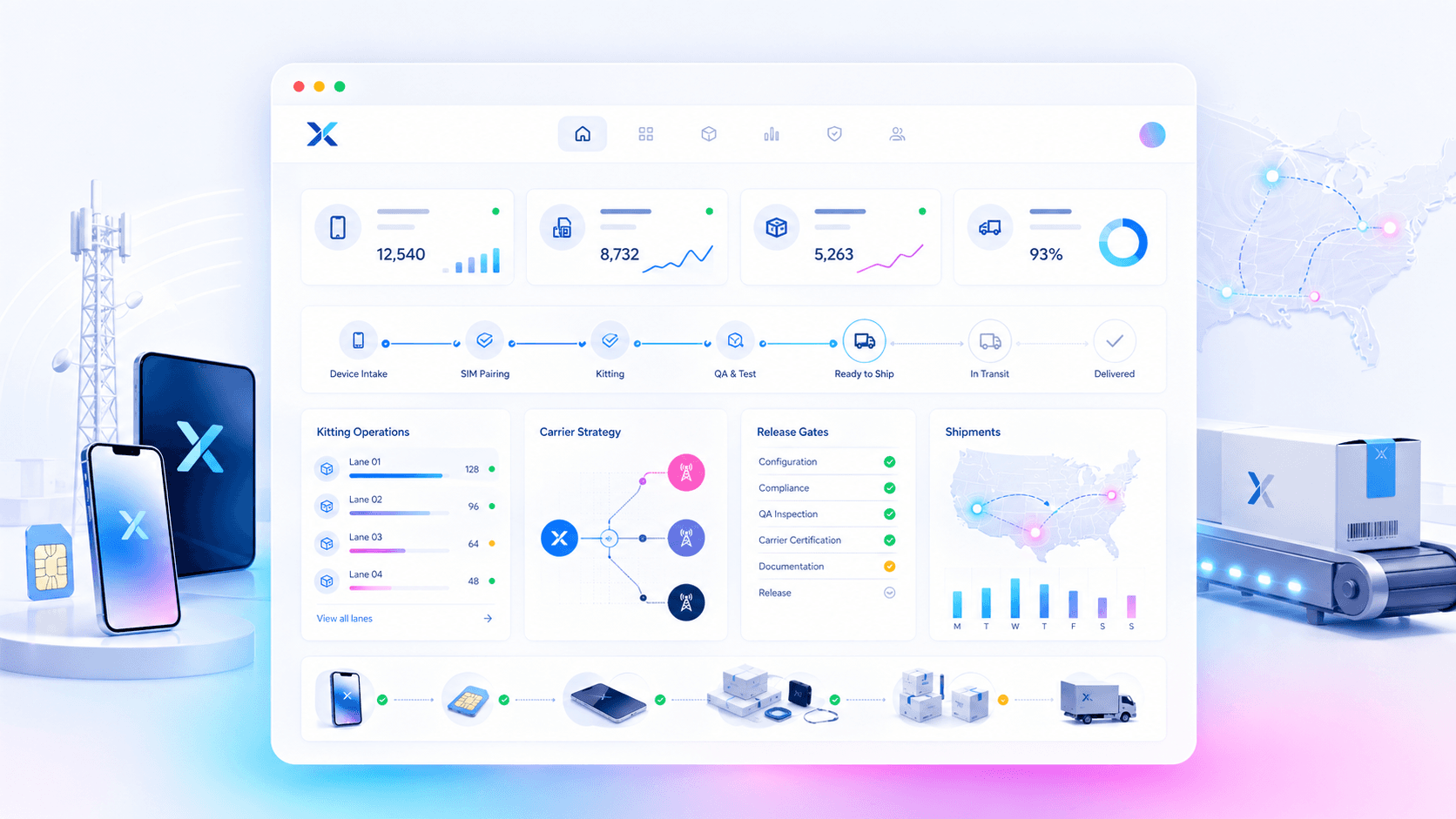
One desk carries the operational detail from contract analysis to release gate. You get cleaner launches without asking internal IT to chase every vendor handoff.
Carrier audit, device intake, profile loading, SIM pairing, and launch-wave evidence move through one accountable workflow.
AT&T, Verizon, and T-Mobile decisions stay grounded in usage, coverage, rate cards, and renewal risk.
New, certified pre-owned, accessories, SIMs, and spare pools are sourced against the rollout calendar instead of treated as a late purchasing step.
Functional tests, battery checks, cosmetic grade, identifier capture, MDM enrollment, and release approval stay attached to each device record.
Exception queues show hold reason, owner, next action, and release confidence before a device leaves the bench.
One desk coordinates procurement, staging, kitting, support, swaps, certified wipe, and buyback instead of scattering work across vendors.
Buyers now expect sourcing, staging, repair, recovery, and reporting to feel like one lifecycle. ConneXions keeps procurement decisions tied to carrier fit, kit rules, release gates, and support records.
Phones, tablets, rugged handhelds, scanners, accessories, and SIM paths are matched to rollout timing, carrier fit, and user profile.
CPO options are evaluated for cost, timing, condition, battery, and carrier readiness before they become part of the rollout plan.
Blend new, CPO, repair-return, and recovery paths without losing the customer kit profile, support record, or release standard.
Carrier fit
Contract-alignedModel, plan, SIM/eSIM, coverage, and renewal timing stay tied to the program.Condition path
Release-readyNew and CPO choices use the same evidence standard before assignment.Kit logic
User-readyAccessories, labels, profiles, and support notes are planned before shipment.CPO only works when the grade is operationally useful. We separate cosmetic condition, functional readiness, carrier eligibility, and kit accuracy before the device leaves the bench.
Original packaging, accessory match, warranty path, and carrier eligibility checked before intake closes.
Minimal cosmetic wear, clean identifiers, tested radios, battery threshold, and ready-for-user profile.
Minor cosmetic wear accepted for spare pools, seasonal staff, pilots, and short-term programs.
Lock status, battery, sensor, screen, enrollment, or serial mismatch routes to an exception owner.
Lightweight control surfaces for the messy parts of wireless deployment: source holds, grading decisions, labels, SIM pairing, release approvals, and launch-wave reporting.
Track intake, activation, QA, and shipment health before small delays become launch blockers.
Turn customer kit rules, device condition rules, and industry requirements into repeatable release gates.
Surface alert-ready work: carrier hold, SIM mismatch, label reprint, release approval, and shipment variance.
Route exceptions to procurement, carrier, staging, kitting, support, or logistics without losing the customer context.
Useful industry coverage maps each environment to device pressure, kit logic, support lanes, and lifecycle recovery.
Pressure: Clinician downtime, privacy-sensitive workflows, and rapid swap needs.
ConneXions response: Pre-staged clinical profiles, direct-to-user kits, spare pools, and return lanes for wipe and redeploy.
Pressure: Drivers, depots, scanners, tablets, route apps, and carrier coverage vary by region.
ConneXions response: Wave planning by site, rugged accessory kits, SIM pairing, and hold queues for route-critical devices.
Pressure: Seasonal staff, mPOS, curbside, guest services, and store reopenings need repeatable kits.
ConneXions response: Store-specific bundles, replacement pools, accessory replenishment, and ready-to-work user packaging.
Pressure: Technicians need reliable mobile workflows in the field, not a box of parts.
ConneXions response: Rugged device procurement, connectivity checks, vehicle/site kit labels, and rush replacement lanes.
Pressure: Barcode, handheld, printer, and floor-device fleets cannot drift from production schedules.
ConneXions response: Receiving reconciliation, staged spare pools, scanner-ready accessories, and serialized lifecycle reporting.
Pressure: Budgets, refresh windows, and accountability requirements make device condition visible.
ConneXions response: New/CPO sourcing models, documented grading, asset tagging, and end-of-life recovery options.
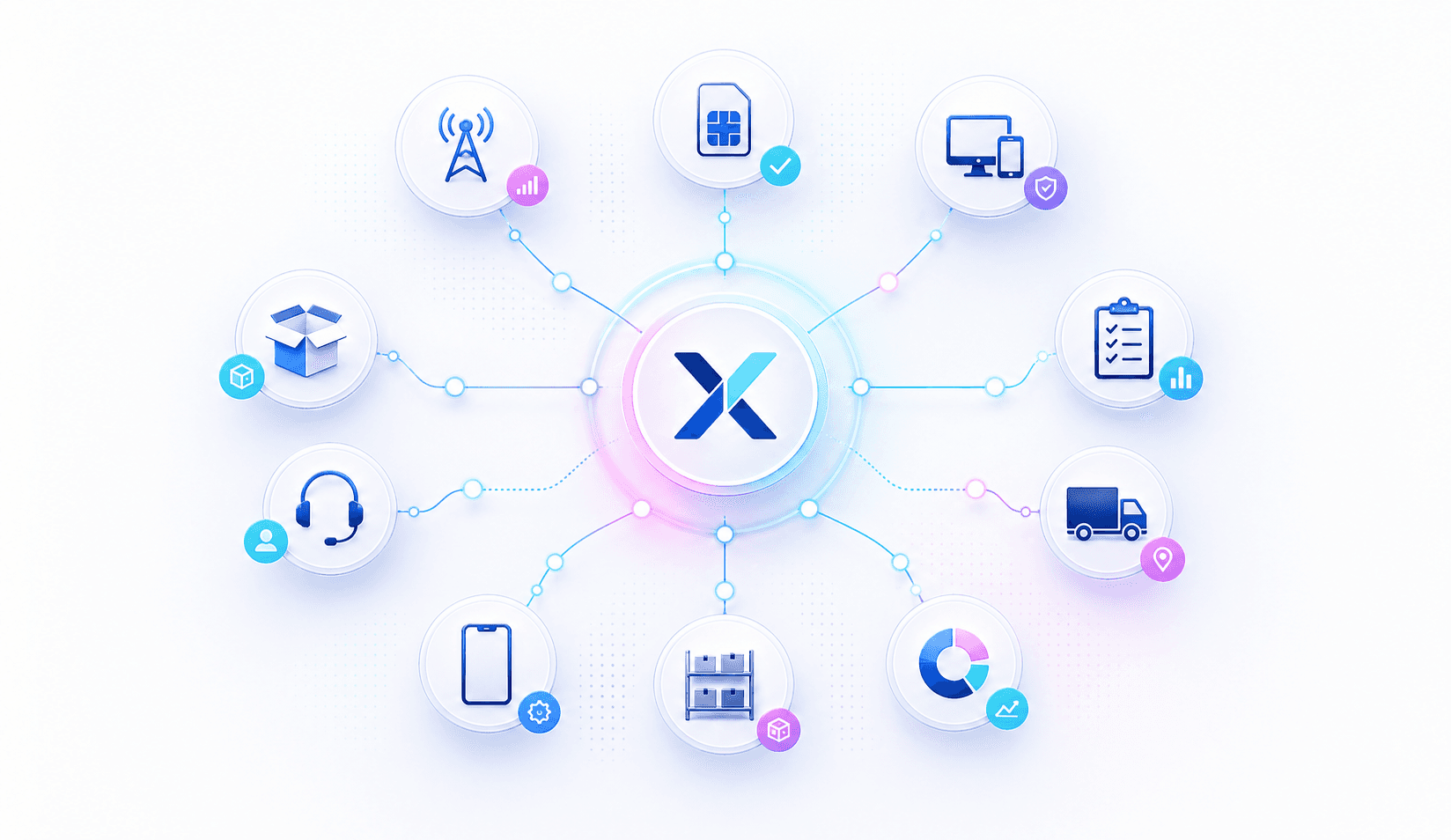
Carrier, procurement, MDM, inventory, kitting, logistics, support, and reporting signals stay connected around the rollout record.
The best signal is what customers say after a complicated deployment finishes on time.
ConneXions consolidated three carrier accounts and kitted 1,800 ruggedized Androids in a 60-day window. Activation issues stayed under one percent.
We moved our 950-clinician fleet to MaaS. Per-device cost dropped 22 percent. Replacement devices ship to the clinician inside 24 hours.
Their carrier audit found $312k in annual savings on a contract we thought was already optimized. They renegotiated and stayed in the room for the renewal.
How to structure an RFP that gets real concessions — pooling, MRC, ETF protection, and the clauses carriers hope you don't ask for.
Read itA side-by-side TCO breakdown across a 1,000-device fleet over 36 months. Where MaaS wins and where it doesn't.
Read itA walkthrough of how a recent rollout moved through receiving, configuration, kitting, and dispatch — by the day.
Read itYes. We can optimize current contracts, model alternatives, or run the rollout with the carrier relationship you already own.
No. ConneXions fits around the tools you already use and becomes the operating layer for staging, kitting, activation, and support evidence.
Yes. We can source new, CPO, accessories, SIMs, and spare-pool inventory, then attach grade, serial, battery, and release evidence before shipment.
Each device moves through functional testing, battery threshold review, cosmetic grade, lock-status checks, identifier capture, MDM readiness, and a documented release decision.
You get a pilot readout with activation results, exception patterns, kit-rule changes, and a practical launch-wave plan.
We schedule operational walkthroughs directly with qualified customers once the scope, timing, and security requirements are clear.
Start with a short scoping call. We will map carriers, device counts, new and CPO sourcing, launch timing, grading rules, staging rules, and support needs before recommending the right path.
Launch wave 04
1,420
Procure936
QC/Grade488
Kitting